Color-Coding Your Family Calendar Actually Saves Time
A simple system for tracking kids' activities, parent schedules, and household tasks without checking five different apps.
The Calendar Chaos Most Families Face
Your oldest has soccer practice on Tuesday at 4 PM. Your youngest has piano on Thursday at 3:30 PM. Dad's got a late meeting Wednesday. Mom needs to schedule the dentist. And nobody knows when the dog's vet appointment is supposed to be.
You're juggling five different calendar apps, sticky notes on the fridge, and text reminders that get buried in group chats. Something's always getting forgotten or double-booked. It's exhausting.
The good news? You don't need more apps. You need better visibility. And it turns out that color-coding—the same technique teachers have used for decades—actually works for families. It's not fancy, but it's effective.


Why Your Brain Actually Remembers Colors
Color recognition happens faster than reading. When you glance at the calendar, your brain processes the color before it processes the text. That split-second difference matters when you're busy.
Plus, color creates memory anchors. You'll start thinking "Emma's soccer is the blue block" instead of having to read every entry. It's not magic—it's how human memory works. We're wired to remember visual patterns better than lists.
The system also prevents the most common scheduling disaster: double-booking. When you can see at a glance that Tuesday already has three events, you don't accidentally schedule something else. It's a visual brake on overcommitment.
How to Set Up Your Color System
The system works best when it's simple and consistent. Here's what actually works for most families.
Assign One Color Per Person
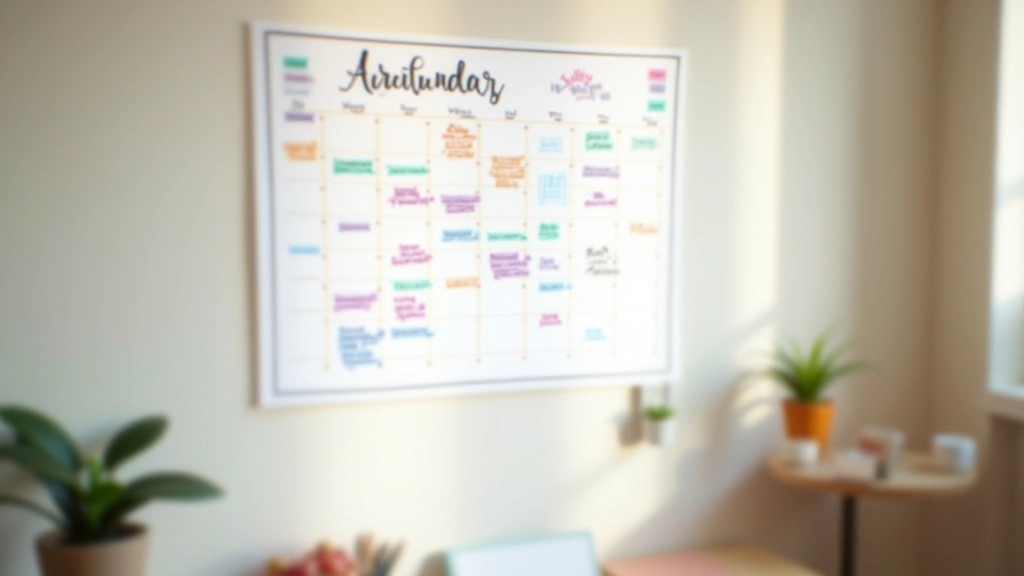
Pick colors that actually contrast on your calendar. Don't use light yellow and light pink—they'll blur together. One family we know uses: Mom (blue), Dad (green), Emma (red), Lucas (orange), and household stuff (purple). Simple. Consistent. Everyone knows the system.
Use One Master Calendar
Don't maintain separate calendars. One wall calendar in the kitchen (or family room) becomes the truth. Everyone looks there first. Some families also sync a digital version, but the physical one is the reference point. It's always visible, never buried in notifications.
Write in the Color Immediately
When something gets scheduled—a doctor's appointment, a game, a deadline—write it on the calendar that same day. Don't wait. Don't plan to update it later. The delay is where things get forgotten. Keep markers right next to the calendar so there's no friction.
Add Quick Context, Not Details
You don't need "Emma's U-14 travel soccer practice at Riverside Park 4-5:30 PM." Write "Emma soccer 4pm" and add location if it's somewhere other than the usual spot. The color tells you whose event it is. Short entries keep things readable and quick to update.
Making It Actually Stick
The system only works if people use it consistently. Here's what helps.
Weekly Check-In (Sunday Evening)
Spend five minutes looking at the week ahead. Does anyone see conflicts? Are there things that need to get done before Wednesday? This catches problems before they become crises.
Monthly Overview (First Sunday)
Glance at the next month. Look for overload patterns. If someone's got six things in one week, you might need to shift something. It's easier to prevent burnout than to fix it.
Shared Responsibility
Don't make one person the calendar keeper. Everyone writes their own events in their color. Kids as young as 8-9 can do this. It teaches accountability and everyone stays informed.
Keep It Visible
Kitchen wall, family room wall, anywhere everyone walks past multiple times a day. If it's hidden, people won't check it. If it's visible, you'll naturally absorb the schedule.

What Actually Changes
Families who've set up color-coded calendars report real shifts in how they operate.
Fewer Missed Appointments
When everyone can see the schedule, things don't slip through cracks. You catch conflicts before they happen. One parent said she went from forgetting one event per month to zero.
Less Duplicate Messaging
No more "Did I tell you about Emma's game?" texts. No more "When's Lucas's appointment again?" Everyone looks at the same place. The calendar becomes the single source of truth.
Better Planning
You spot overload weeks before they happen. You can plan meals better when you know who's home and who's not. You schedule errands on days that make sense. Small shifts that add up.
Less Stress at Home
When nobody's confused about the schedule, there's less friction. No morning arguments about "I thought that was tomorrow." No surprises. It's quieter.
Start This Week
You don't need to wait for January 1st or a "fresh start." Pick up some colored markers today. Grab a wall calendar if you don't have one. Spend 15 minutes assigning colors and writing down what's already scheduled. That's it.
The system isn't complicated. It's just consistent. And consistency is what actually saves time. Not apps, not fancy planning tools, not more features—just being able to see at a glance what's happening and when.
Your family schedule will still be busy. But at least everyone will know what busy looks like. That clarity alone reduces stress and prevents the scrambling that eats up hours each week.
Try it for a month. You'll be surprised how much smoother things run.

About This Article
This article is informational and based on common family scheduling practices. While color-coding systems work well for many families, every household is different. Your specific needs may require additional tools or adjustments to this basic system. We recommend adapting these suggestions to fit your family's unique situation, routines, and preferences. If you're managing complex multi-generational schedules or eldercare coordination, you may benefit from consulting with a family planning specialist or household manager.